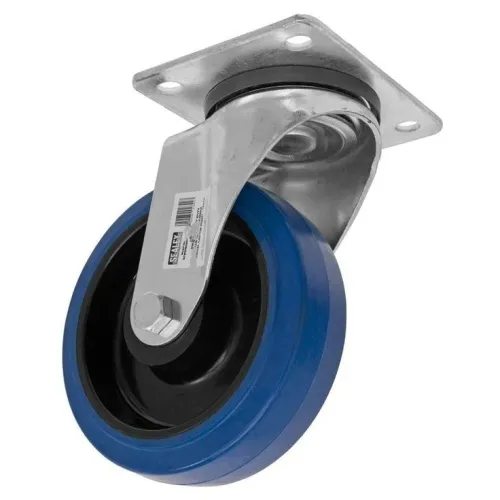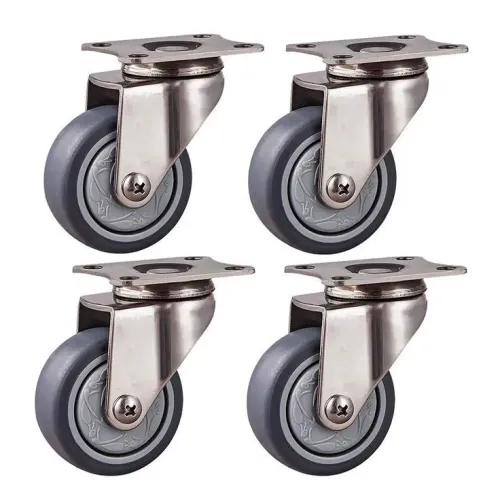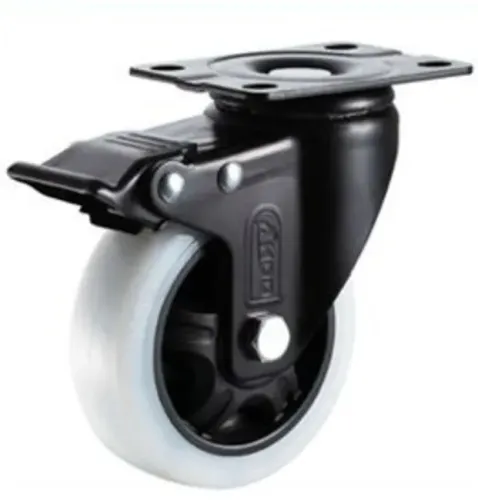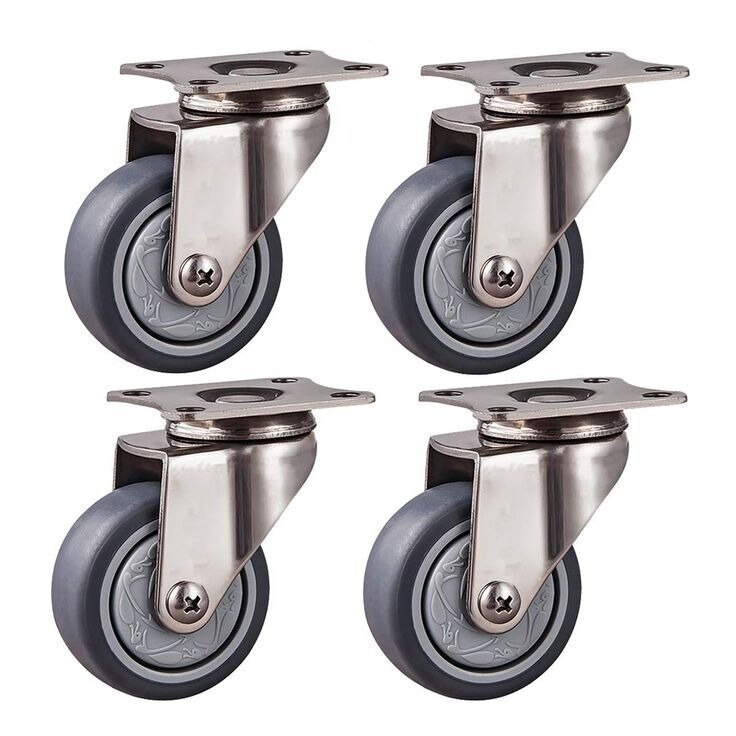
A nylon wheel can move a machine easily, but movement alone does not create a stable working platform. You will learn how the leveling mechanism shifts load from the wheel to a fixed support point, how to install and inspect it, and when another wheel material is the safer choice.
Key takeaways
- Lower leveling feet before work to transfer load from wheels to stable supports.
- Choose nylon for clean, hard floors where chemical resistance and low rolling resistance matter.
- Inspect nylon wheels for flat spots, cracks, embedded debris, and loose fasteners.
- Ask manufacturers for load ratings, stem dimensions, wheel hardness, and replacement details.
How leveling casters turn mobile equipment into a stable work platform
A leveling adjustable caster turns mobile equipment into a stable work platform by transferring its load from the wheel to a fixed leveling foot. During movement, the nylon wheel carries the equipment through a threaded stem, mounting plate or threaded socket, and caster frame.
Once positioned, turn the adjustment nut until the foot contacts the floor, then tighten the locknut to secure the height and prevent drift.
This change removes rocking and gives a machine stand, worktable, rack, or inspection fixture a repeatable working height. The wheel remains available for the next relocation, while the foot provides a larger, steadier support point and reduces prolonged loading on the wheel and swivel assembly.
Nylon caster wheel benefits become most useful when the floor is clean and the equipment needs frequent repositioning:
- Low rolling resistance makes movement easier before levelling.
- High hardness and abrasion resistance suit regular use on sound concrete or tile.
- Easy-clean surfaces help remove chips, dust, and workshop debris.
- Levelling creates a rigid working position without dismantling the wheels.
- Clearance beneath the equipment makes sweeping and wash-down easier.
Do not treat levelling as an anchor for heavy vibration, impacts, or overturning forces. Check the complete capacity of the wheel, frame, stem, foot, and locked position; uneven floors can leave three casters carrying the mobile load.
In Pune workshops, protect adjustment threads and bearings from fine dust, monsoon moisture, wash-down water, and contaminated floor transitions.
How to choose nylon against polyurethane, rubber, and steel
Choose nylon for clean, hard indoor floors where low rolling resistance, moisture tolerance, and resistance to oils matter more than quiet running. Calculate the load from total equipment mass, not the wheel rating alone: include the centre of gravity, obstacles, travel frequency, and whether the leveling feet carry the parked load.
| Material | Floor and load | Environment and operation | Specify |
|---|---|---|---|
| Nylon | Smooth concrete, epoxy, or tiled floors; high loads with limited shock | Dry or damp workshops, fine dust, intermittent travel | Large diameter, adequate contact width, protected bearings, and a rating verified for temperature and duty cycle |
| Polyurethane | Finished floors where quieter movement and better floor protection matter | Frequent travel, moderate obstacles, oil exposure | Bonded tread, suitable hardness, and resistance to cuts and chemical contamination |
| Rubber | Uneven floors, thresholds, and noise-sensitive areas; lower loads | Shock, vibration, and frequent indoor movement | Solid rubber for puncture resistance; check compression under a parked load |
| Steel | Severe impact, hot surfaces, or debris that destroys softer wheels | Heavy industrial service; expect noise and floor damage | Hardened steel, suitable bearings, and floor approval before installation |
Ask a leveling adjustable caster manufacturer whether capacity is per caster and whether it is static or rolling. Request the test wheel speed, floor, temperature range, duty cycle, and rating with the leveling foot deployed.
For Pune, prioritise sealed or protected bearings, corrosion-resistant hardware, accessible cleaning points, and a foot that grips wet or contaminated floors. The frame, stem, foot, and lock must match the wheel rating.
How to install and level each caster safely
Set the equipment on a clean, reasonably level floor, then establish one reference height before adjusting any caster. The right sequence for a leveling adjustable caster in Pune keeps the machine stable, gives every nylon wheel full floor contact during movement, and leaves the feet firmly planted when parked.
1. Unload the equipment and disconnect power. If unloading is impossible, support the frame with rated stands before loosening or adjusting any caster.
2. Fit each caster squarely to its mounting plate or fully into its threaded socket. Tighten mounting fasteners evenly, and check that every stem is straight, clean, and free from cross-threading.
3. Lower the equipment until all wheels touch the floor. Push it gently; a wheel that lifts, skids, or carries noticeably more load indicates an uneven setting or a distorted frame.
4. Raise or lower the adjustment nut in small, equal increments. Work around the equipment rather than fully extending one caster, and use a spirit level on the frame after each round.
5. Set the working height with the machine unloaded. Keep enough threaded engagement in the socket or frame; do not rely on a few exposed threads to carry the load.
6. Deploy each leveling foot until it contacts the floor firmly, then tighten every locknut or locking mechanism. Vibration can otherwise change the setting and reduce the foot’s contact area.
7. Release the supports gradually and confirm that every foot carries load without rocking. Retract the feet before moving the equipment, then test wheel contact again after relocation.
Nylon caster wheel maintenance checks for Pune conditions
Clean the wheel, axle, swivel, and threaded adjustment before inspecting a leveling caster. Pune workshops expose equipment to fine dust, monsoon moisture, wash-down residue, and grit carried across indoor-outdoor thresholds. Secure the equipment against rolling or tipping; adjust the caster unloaded or safely supported unless its manufacturer explicitly rates adjustment under load.
Check these points during nylon caster wheel maintenance:
- Remove fibres, chips, and grit from the nylon wheel and axle area. Debris can create drag that looks like an inadequate load rating.
- Rotate the wheel by hand. Investigate stiffness, scraping, tread flats, cracks, cuts, and uneven wear.
- Inspect the swivel raceway, mounting plate, wheel fasteners, and stem. Tighten loose hardware and look for corrosion, bent parts, or damaged threads.
- Clean the threaded adjustment, then check for cross-threading and deformation. Confirm that the leveling foot has an intact, high-grip contact surface.
- Measure wheel diameter, tread loss, caster height, and any change in the equipment’s level. Compare each reading with the installation record or manufacturer’s limit.
- Lubricate only bearing points named by the manufacturer. Do not pack dust into an exposed raceway.
- Record the inspection date, measurements, loose or damaged parts, cleaning performed, and replacement decision.
After setting height, tighten the locknut or locking mechanism. Vibration can otherwise change the setting, reduce leveling-foot contact, and return load to the nylon wheel. Record moisture ingress or repeated grit accumulation; those findings support specifying protected bearings, corrosion-resistant hardware, or easier cleaning access.
What to ask an adjustable caster manufacturer before ordering
Ask an adjustable caster manufacturer for a rating sheet, not a single kilogram figure. Confirm whether the capacity is per caster, static or rolling, and tested at what wheel speed, floor condition, temperature range, and leveling-foot position.
| Confirm | Ask for | Why it matters |
|---|---|---|
| Load rating | Total equipment mass, caster count, centre of gravity, and capacity with the foot deployed | Four casters do not always share weight equally; tipping or overload can damage the frame and stem |
| Materials | Nylon grade, frame steel, stem, foot, fasteners, bearings, seals, and chemical limits | Check the actual chemical, concentration, temperature, and exposure time; strong acids, some solvents, oxidizers, and heat can attack nylon |
| Configuration | Wheel diameter, mounting plate or threaded socket, stem thread, adjustment range, swivel clearance, and wheel-to-foot height | Small wheels struggle with floor joints, while insufficient adjustment leaves rocking or incomplete wheel contact |
| Service | Spare wheels, bearings, feet, locknuts, drawings, installation torque, warranty, and response time in Pune | Missing dimensions or replacement parts can keep equipment out of service |
Describe travel frequency, obstacles, fine dust, monsoon moisture, wash-down, oil contamination, and indoor-outdoor transitions. Ask whether sealed bearings, protected hardware, cleaning access, and a high-grip foot are available.
Tell the leveling adjustable caster manufacturer whether the equipment rests on wheels while parked or transfers load to feet. Adjust with the equipment unloaded or safely supported unless the mechanism is explicitly rated for adjustment under load.
Prime Distributors can help compare nylon wheel dimensions with the complete caster assembly, rather than approving a wheel rating that ignores the stem, frame, foot, and locked position.
Related product
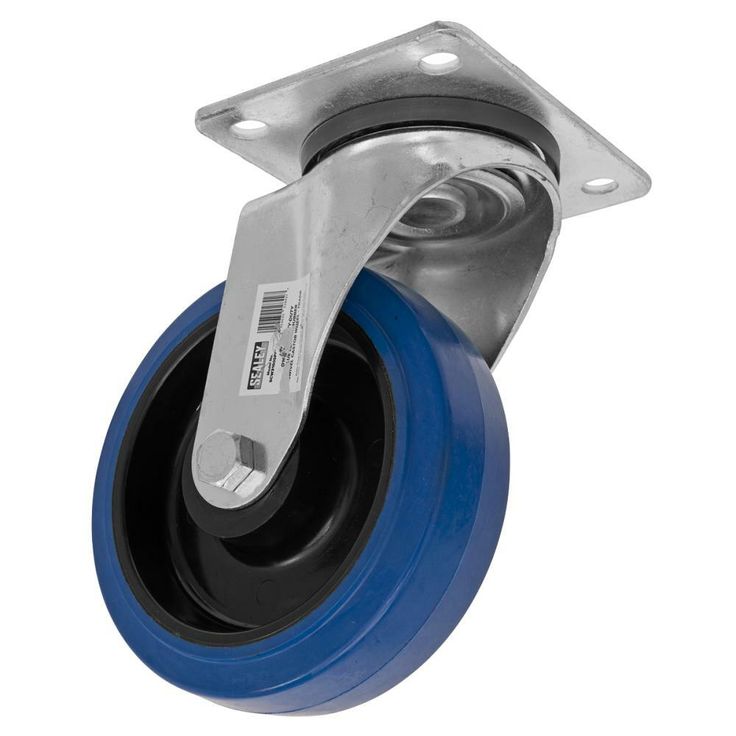 | Industrial Caster Wheels Nylon Caster Wheels are highly durable and widely used in various industrial and commercial applications due to their excellent strength, wear... View product → |
Frequently asked questions
How do leveling casters turn mobile equipment into a stable work platform?
The nylon wheel carries equipment during movement; lowering the threaded leveling foot transfers the load to a fixed support and prevents movement during work.
When should you choose nylon instead of polyurethane, rubber, or steel caster wheels?
Choose nylon for clean, hard floors, low rolling resistance, moisture resistance, and chemical resistance. Choose polyurethane for quieter movement and better floor protection, rubber for cushioning and noise reduction, or steel for high-temperature and heavy-duty applications.
How do you install and level each adjustable caster safely?
Use matching mounting hardware, support the equipment with rated lifting equipment, install every caster securely, then adjust each leveling foot gradually until the load is stable and the wheels no longer carry it.
What maintenance checks do nylon caster wheels need in Pune conditions?
Inspect wheels, bearings, fasteners, threaded stems, and leveling feet for dust, water, corrosion, cracks, flat spots, embedded debris, and looseness. Clean the wheel and floor before checking rolling resistance.
What should you ask an adjustable caster manufacturer before ordering?
Request the total load rating, wheel diameter and width, nylon grade, mounting type, stem or plate dimensions, leveling-foot range, floor compatibility, operating conditions, test method, and replacement-part availability.